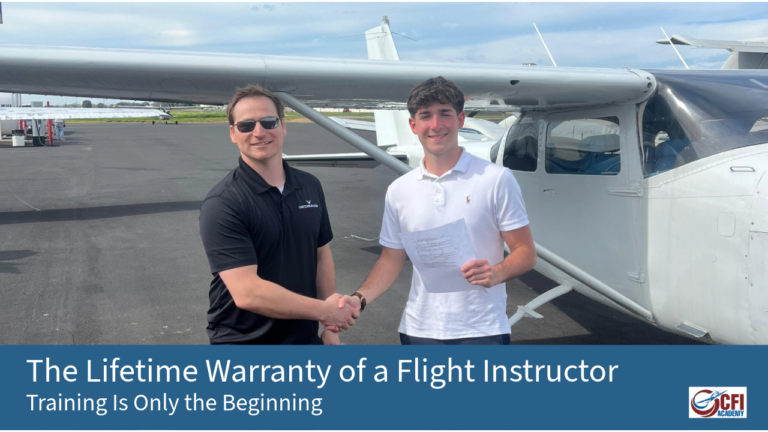
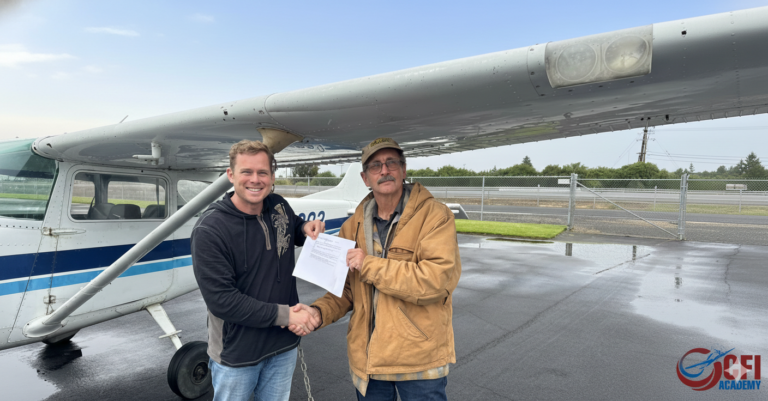
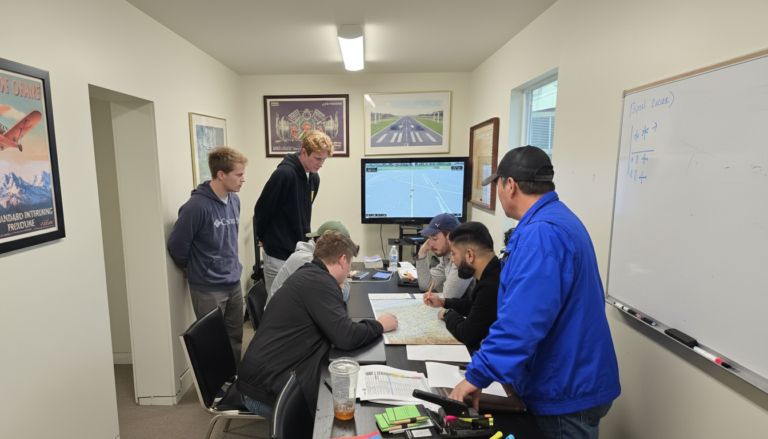
Every airline captain, corporate pilot, or charter pilot begins their career the same way – sitting across from a flight instructor.
Before the turbine aircraft, before the jet type ratings, before the thousands of hours of experience, there is always a Certified Flight Instructor.
That reality makes the flight instructor one of the most influential figures in aviation safety.
The quality of that instructor shapes not only the student in front of them, but the habits and decision-making that pilot will carry throughout their entire career.
The First Link in the Safety Chain
In aviation, safety is often described as a chain of responsibility.
Aircraft manufacturers design reliable machines.
Airlines develop operational procedures.
Regulators establish standards and oversight.
But before any pilot enters that system, they are shaped by their instructors.
The flight instructor is the first professional influence in a pilot’s career. They establish how a pilot approaches risk management, discipline, and decision-making.
Habits formed during those early stages often remain for decades.
What Instructors Actually Teach
Flight training is not simply about learning to manipulate the controls of an aircraft.
A good instructor teaches something much deeper:
how to evaluate risk
how to recognize deteriorating situations early
how to manage workload
how to exercise sound judgment
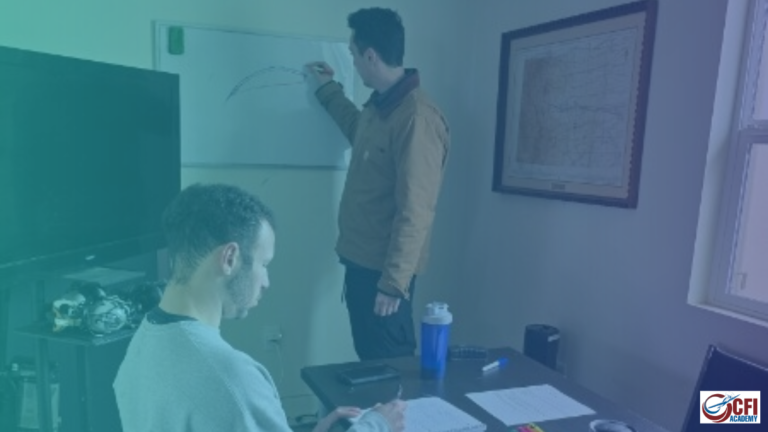
These skills cannot be memorized from a textbook. They are absorbed through the way an instructor teaches, demonstrates, and sets expectations.
Students often mirror the standards of the instructor who trained them.

When Instructor Quality Is Weak
When instructor training is rushed or poorly structured, the effects propagate quickly.
An instructor who lacks strong foundational training may still produce pilots who pass practical tests. However, those pilots may carry forward gaps in judgment, discipline, or situational awareness.
Over time, those gaps multiply as those pilots move into more complex environments.
This is why the quality of instructor development matters so deeply to the aviation system as a whole.
The Instructor Multiplier Effect
One instructor may train dozens or even hundreds of pilots during their career.
Some of those pilots will eventually become instructors themselves.
That creates a multiplier effect.
The teaching philosophy and professional standards of one instructor can influence multiple generations of pilots.
This is why strong instructor development is essential to maintaining a healthy pilot training ecosystem.
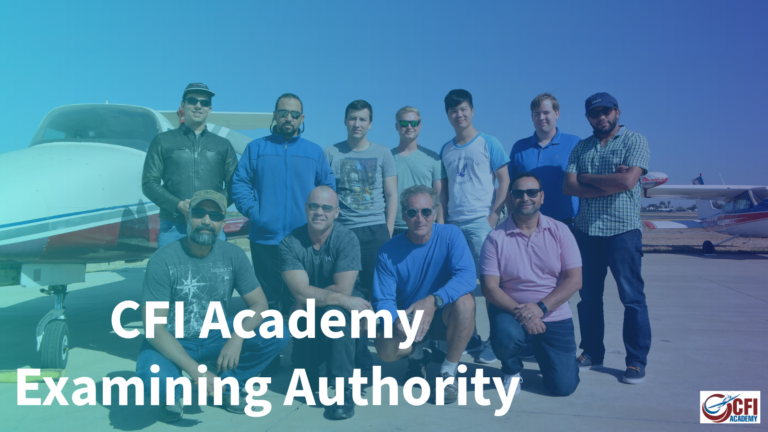
Post training evaluation, checkride with a DPE, or in-house Examining Authority under Part 141 must be an integral part of this process.
Examining Authority itself is relatively rare among flight schools, as we explain in our article on why most flight schools do not have FAA Examining Authority.
The Responsibility of Instructor Training Schools
Schools that specialize in instructor training carry a unique responsibility.
They are not simply producing pilots. They are developing the professionals who will train the next generation of pilots.
This requires more than preparing candidates to pass a checkride.
Effective instructor development should include:
strong emphasis on fundamentals of instruction
structured teaching methodology
standardization in training techniques
disciplined evaluation and stage checks
These elements help ensure that new instructors leave training prepared not just to pass a practical test, but to teach responsibly.
Training structure also plays an important role in instructor preparation, which is why understanding the differences between Part 61 vs Part 141 flight instructor training can help applicants choose the environment that best supports disciplined instructor development.
Why Standards Matter
The FAA establishes certification standards through the Airman Certification Standards (ACS).
However, meeting the minimum standard should never be the ultimate goal of instructor training.
Instructors shape the professional habits of the aviation community. Their preparation must therefore exceed the minimum threshold required for certification.
Training programs that emphasize deeper understanding, disciplined instruction, and strong evaluation systems contribute directly to aviation safety.
Some Part 141 schools also operate under FAA Part 141 Examining Authority, which allows approved institutions to conduct End-of-Course practical tests internally under FAA oversight.
The Foundation of the Pilot Pipeline
Every airline pilot, corporate pilot, or professional aviator carries forward lessons learned from their earliest instructors.
Those early influences define how pilots think about responsibility, professionalism, and safety.
For that reason, the strength of the entire pilot pipeline ultimately depends on the quality of its instructors.
Developing strong instructors is not just a training objective.
It is an investment in the long-term safety and professionalism of aviation itself.
Pilots interested in pursuing instructor certification can learn more about the CFI training pathway at CFI Academy, which focuses specifically on developing professional flight instructors.
CFI Academy was recently granted this approval for its instructor training program, which you can read about in our announcement regarding CFI Academy’s Part 141 Examining Authority approval.